We analyze interval data, tariff structure, roof conditions, equipment, financing, and current tax rules to build a project-specific commercial solar and storage proposal.
Commercial bills can include energy, demand, delivery, fixed, tax, and rider charges. Solar and storage can affect those lines differently, so we start with how and when your facility uses power.
We show which utility charges solar may reduce, which charges remain, and where storage may add value.
See your energy use, solar design, project cost, financing choices, and potential tax benefits together in one decision-ready view.
Eligible owned systems may combine a federal investment credit, accelerated depreciation, and location-specific New York City relief. We provide the project documents; your tax professional confirms what your business can claim.
The Section 48E credit is generally 6% of qualified investment and may increase to 30% when prevailing-wage and apprenticeship rules or an applicable exception are satisfied. Timing and other federal restrictions apply. Review IRS guidance.
Owners of qualifying clean-energy property placed in service after 2024 may be eligible to recover the adjusted tax basis as five-year property under MACRS. Credit basis reductions and other rules can change the deduction. Review IRS guidance.
Eligible New York taxpayers may claim 25% of qualified solar-equipment costs, capped at $5,000, for solar used at their principal residence. This is a residential-use credit and is not generally available to a commercial business. Review NY Tax guidance.
Eligible NYC solar and storage projects placed in service from 2024 through 2034 may receive an abatement totaling up to 30% of eligible installation cost over four years, subject to annual and total caps, DOB approval, building class, and taxes due. Review NYC Finance guidance.
Compare cash and available financing by upfront cost, payment schedule, total payments, ownership, and flexibility.
Own the system, capture eligible ownership benefits, and avoid ongoing finance payments.
Preserve capital while spreading project cost over an approved payment term.
Demand charges are based on measured peak draw under the applicable tariff. Their share of a bill varies by account, and a project-specific interval-data analysis is required to estimate how storage may affect them.
A properly sized storage system may reduce demand peaks and can be modeled alongside solar against the facility's interval data and tariff. For operations with critical loads — refrigeration, manufacturing lines, or HVAC-heavy buildings — an appropriately configured system may also support selected loads during an outage. Results and duration depend on system design, operating conditions, and utility rules.
Discharge stored energy during peak-load windows to flatten your demand curve and reduce your highest monthly kW reading.
Store midday solar production and deploy it in the evening rather than exporting at low grid rates — maximizes the value of every panel.
An appropriately sized and configured battery may support selected critical loads during an outage. Capacity and runtime depend on the final design and operating conditions.
Commercial storage projects may qualify for utility programs. We identify current options and documentation needs; your tax advisor confirms any tax treatment.
Commercial solar may present a clearer cash-flow case when the underlying utility cost is significant. These are the property and business types where the cash-flow case is clearest — and where we have the most experience.
Large, unshaded roof area — ideal solar footprint with significant lighting and HVAC loads to offset.
High roof-to-load ratio. Security lighting, climate control, and office loads run year-round — a strong match between daytime production and ongoing loads.
High-draw motors and HVAC create large demand spikes. Solar + storage can address both the energy and demand charge lines.
Energy-intensive operations with significant refrigeration and process heat loads. High utility use can create more opportunity for solar to offset purchased electricity.
Year-round electricity load for lighting, climate control, and irrigation. Project economics depend on interval usage, tariff, design, price, incentives, and contract terms.
Institutional buyers with long time horizons. Solar pairs well with sustainability goals and multi-decade facility planning.
Often energy-intensive with large roof areas and tight operating budgets. Solar can reduce purchased electricity and support long-term budget planning.
If your business has a significant utility bill, your property may be a strong solar candidate. Let us build the business case around your actual facility.
We handle design, engineering, permitting, utility interconnection, construction, and post-install monitoring — all in-house. You manage one relationship — us — start to finish.
Engineering, procurement, and construction under one roof. One point of contact from design through commissioning.
In-house licensed engineers handle utility interconnection, load analysis, and structural assessments — no third-party hand-offs.
A single project manager owns your job from signed contract to PTO. You always know who to call — and they always pick up.
System-level production monitoring from commissioning day forward. We catch underperformance before it costs you money.
*Many leading solar panel manufacturers offer 25-year limited product and/or performance warranties on qualifying models. Terms vary by manufacturer, model, registration, ownership, labor coverage, exclusions, and agreement. Other products and services may carry different warranty terms.
Commercial projects move through a defined workflow — no surprises, no hand-offs to outside crews. From your first call to system commissioning, here's exactly what happens.
We inspect your roof, electrical infrastructure, and utility connection. No desk-top analysis — in person, on-site.
We review 12 months of utility data to model your energy and demand profile accurately before designing anything.
In-house engineers produce a full system design: panel layout, inverter spec, racking, single-line diagrams, and structural calculations.
You receive a clear comparison of current utility costs, solar production, project price, cash and financing choices, and potential incentives.
We compare cash and available financing side by side, then prepare the project information your lender and advisors need.
We file all permits and handle utility interconnection application — one of the most time-consuming steps. We own it entirely.
Our crew installs the system. Commercial installs typically take 2–5 days depending on system size. Site is left clean.
Final inspection, utility sign-off, permission to operate. We commission the system and confirm production against design.
System-level monitoring from day one. Annual production reports, proactive service, and a dedicated contact for the life of the system.
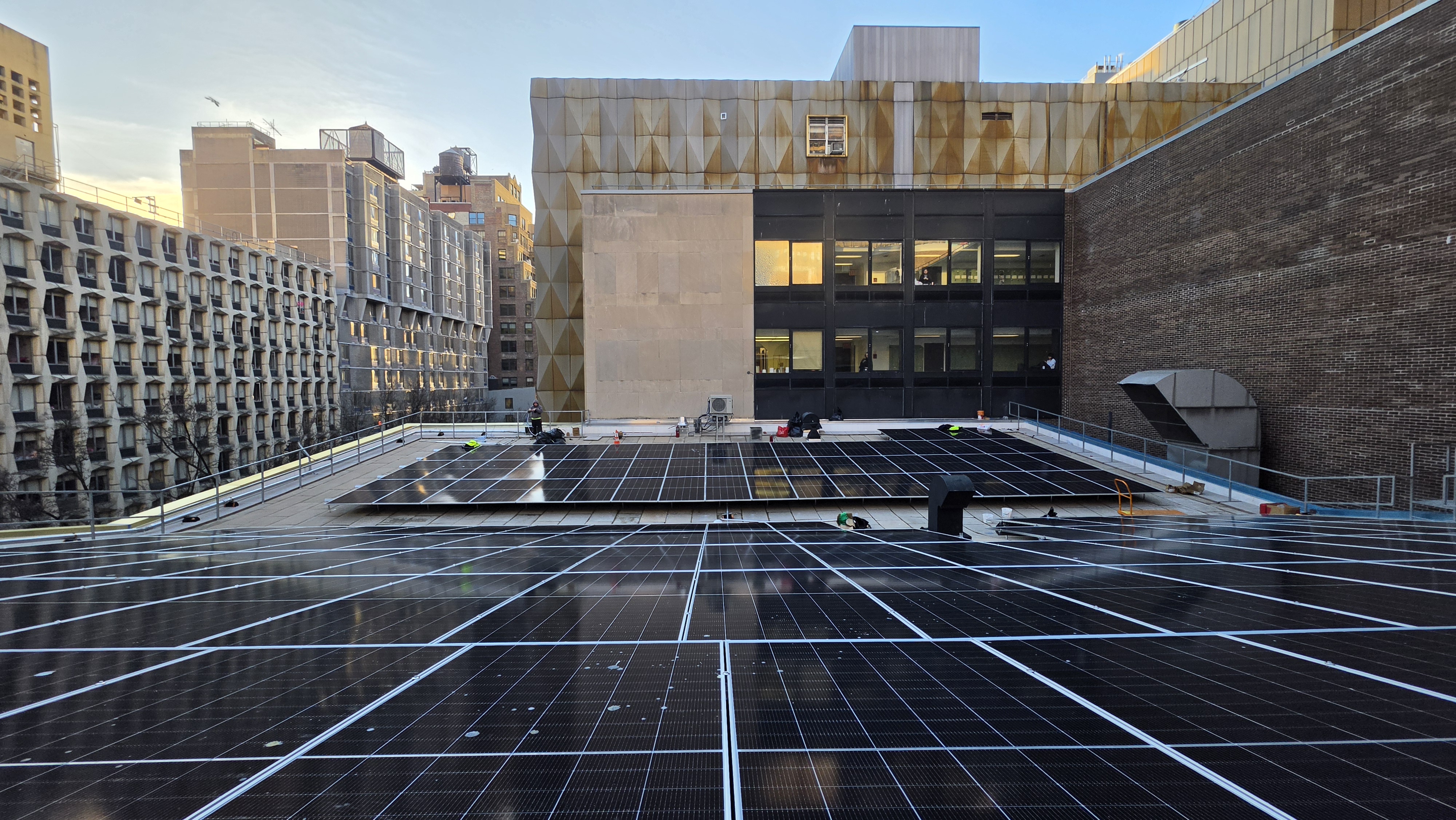
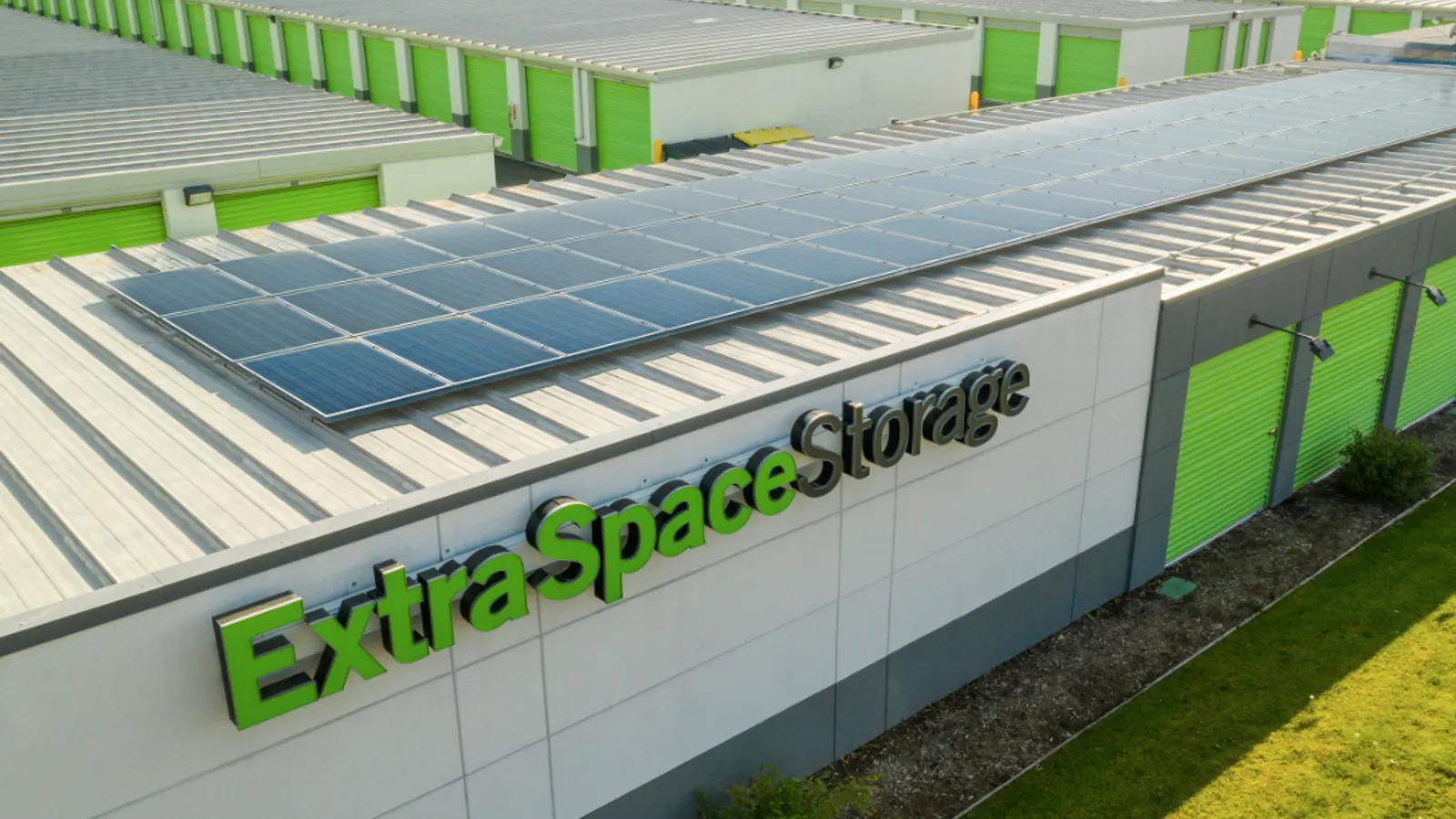
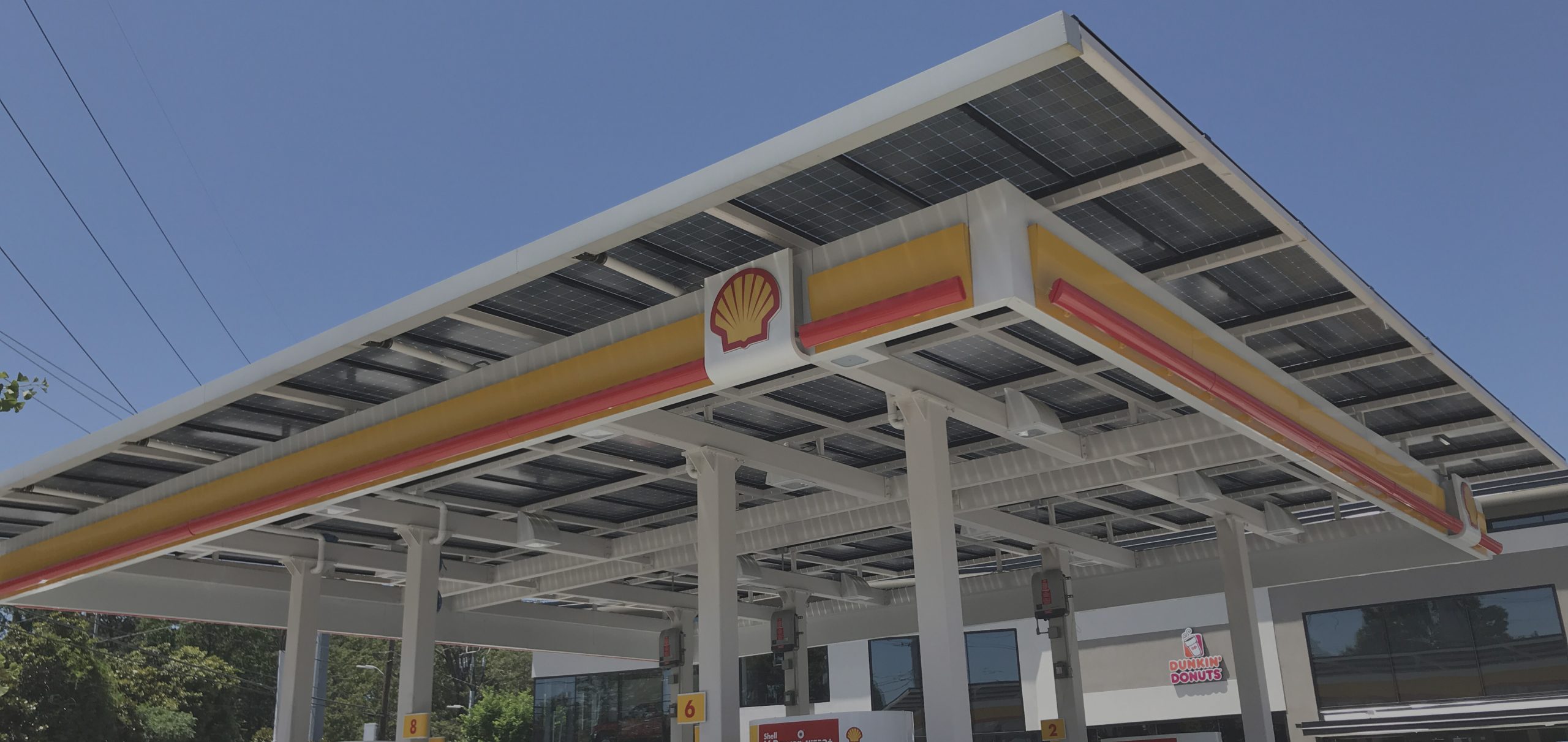
See the kinds of properties our team works on. Each business receives its own engineering and financial model because usage, tariffs, sites, and contract terms differ.
Straightforward answers on the financial and operational questions that matter for a commercial decision. Call +1 (718) 619-1768 or email info@statesolar.co for anything not covered here.
No boilerplate proposals. We review your load data, roof, utility account, and available contract options to build a project-specific pro-forma with labeled assumptions and sensitivities. Call, email, or submit the form.